

While Florida’s winters are far from harsh, the combination of cooler temperatures, high humidity, and salty coastal air can create the perfect environment for fence deterioration. Moisture buildup, shifting soil, and thermal expansion can all weaken materials over time if not properly addressed. Winterizing your fence is an important step to ensure it stays strong, attractive, and durable through the season ahead.
Inspect and Repair Before Temperatures Drop
Before the cool weather sets in, walk the length of your fence to identify any signs of wear or structural issues. Look for loose boards, leaning posts, or small cracks—these can worsen when exposed to temperature fluctuations and moisture. Florida’s occasional cold snaps can cause materials like wood to contract and expand, leading to splitting or joint loosening. Addressing these problems now helps your fence withstand the season without major issues.
Clean Away Salt, Mold, and Organic Debris
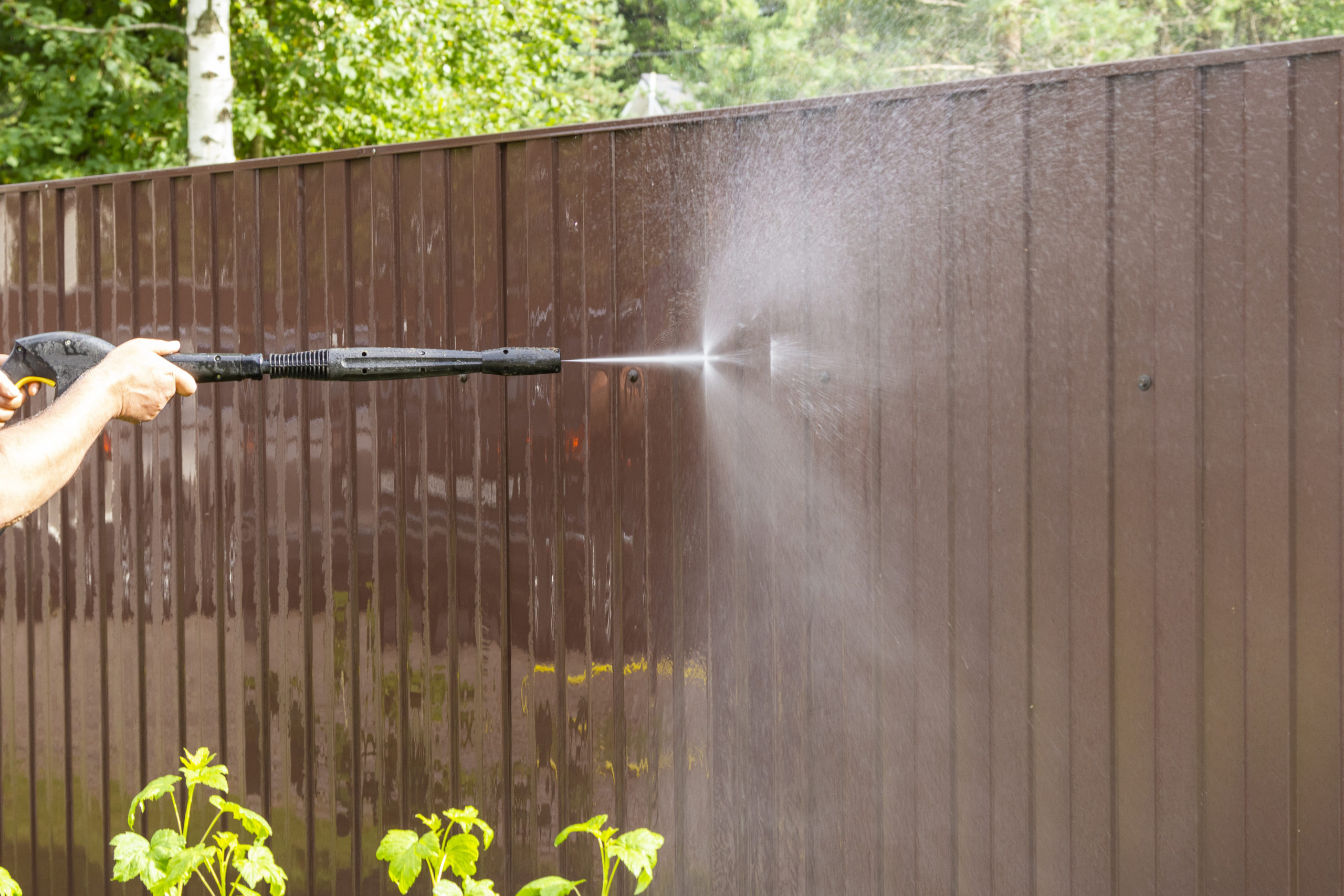
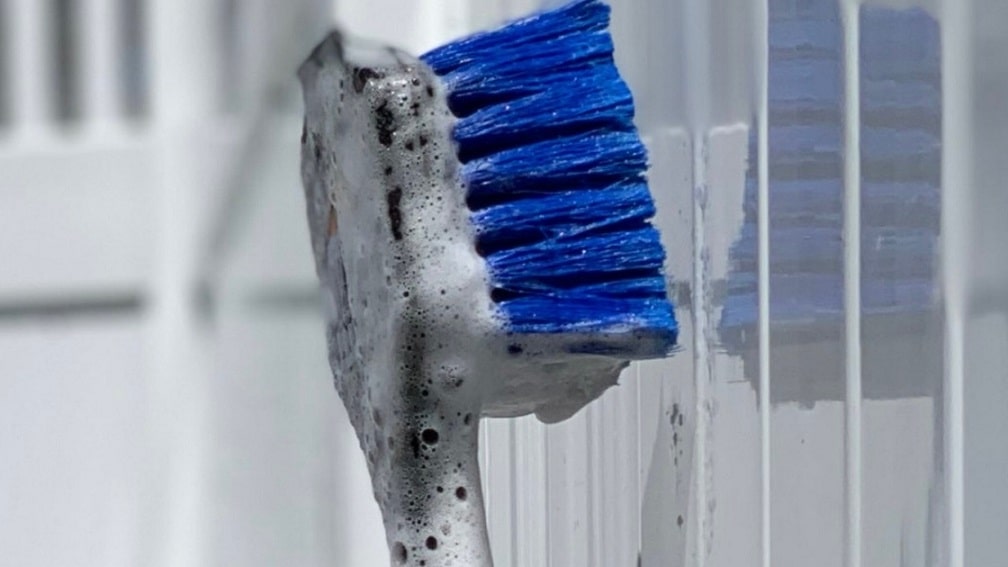
The mix of salty air, fallen leaves, and lingering humidity can trap moisture on your fence, creating the perfect environment for rot and corrosion. Cleaning your fence before winter begins helps prevent this buildup. Use a mild cleaning solution—vinegar for wood fencing or warm soapy water for vinyl and aluminum fencing. To remove dirt, mildew, and salt residue. After washing, rinse the surface thoroughly and allow it to dry completely. This reduces the risk of trapped moisture causing stains or damage during cooler, damp months.
Apply Protective Coatings and Sealants
A fresh coat of protection goes a long way in defending your fence against winter’s effects. For wooden fences, a high-quality, weather-resistant sealant helps block out moisture and prevent warping or cracking from cold and humidity. Aluminum and vinyl fences benefit from protective coatings or waxes that add resistance to salt corrosion and oxidation—especially in coastal regions.
Check Drainage and Clear the Fence Line
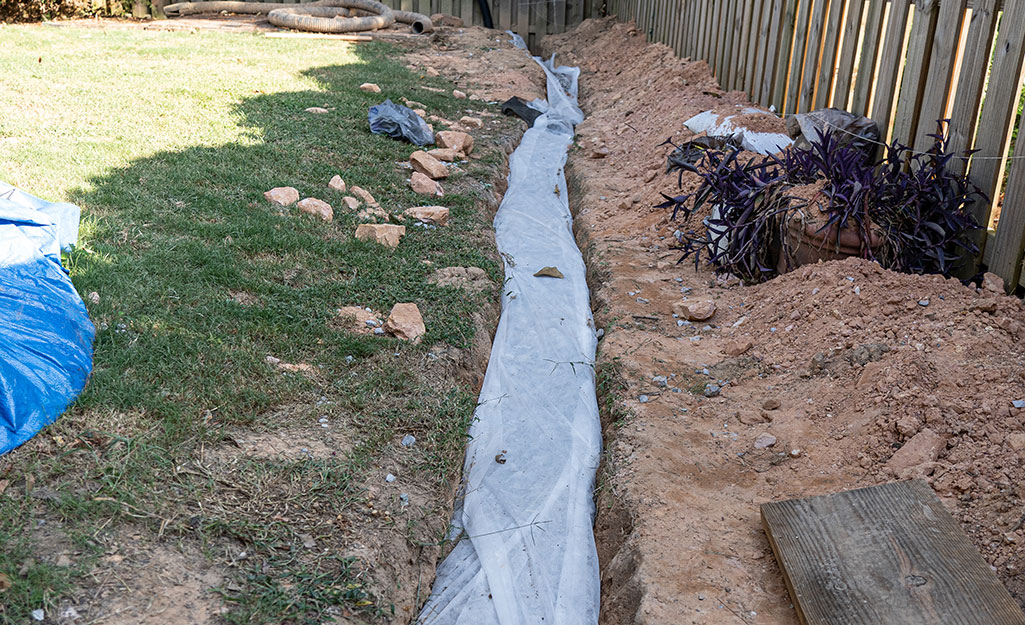
Winter rains and damp air can lead to excess moisture collecting around your fence posts. Make sure the ground slopes away from your fence so water can drain properly. Clear away leaves, mulch, or yard debris that might hold moisture against the base of the fence. Trim back any overgrown vegetation to improve airflow and help your fence dry out after rain or heavy dew—this simple step greatly reduces mold and mildew growth.
Tighten Hardware and Reinforce Weak Areas
Cold weather and high winds can stress hinges, latches, and panels. Tighten all hardware to ensure everything is secure and replace any rusted or corroded pieces with stainless steel or galvanized options. Reinforcing weak posts or panels helps prevent shifting or damage during gusty weather or heavy rains. Taking time to secure these areas ensures your fence remains stable throughout the winter months.
Protect Your Investment Year-Round
Regular maintenance and seasonal preparation are key to extending the life of your fence, especially in Florida’s unpredictable climate. From humidity to salt air to brief cold spells, the combination of factors can challenge even the most durable materials. By cleaning, sealing, and inspecting your fence before winter, you safeguard your investment and preserve your property’s curb appeal.
Fence Pro of Mid Florida provides expert inspection, repair, and installation services for all fence types. Our team uses top-quality materials and proven techniques to build and maintain fences that can handle Florida’s coastal and seasonal conditions with confidence.
 Spanish
  English