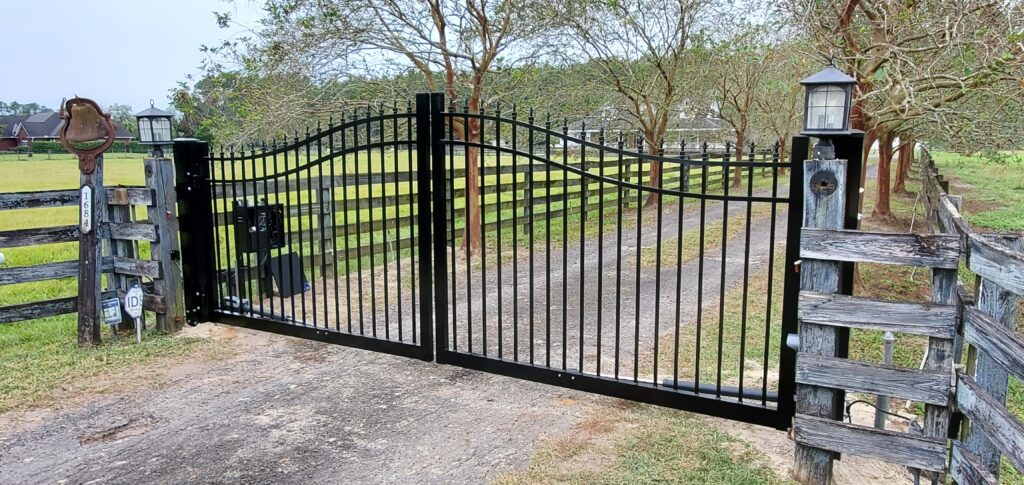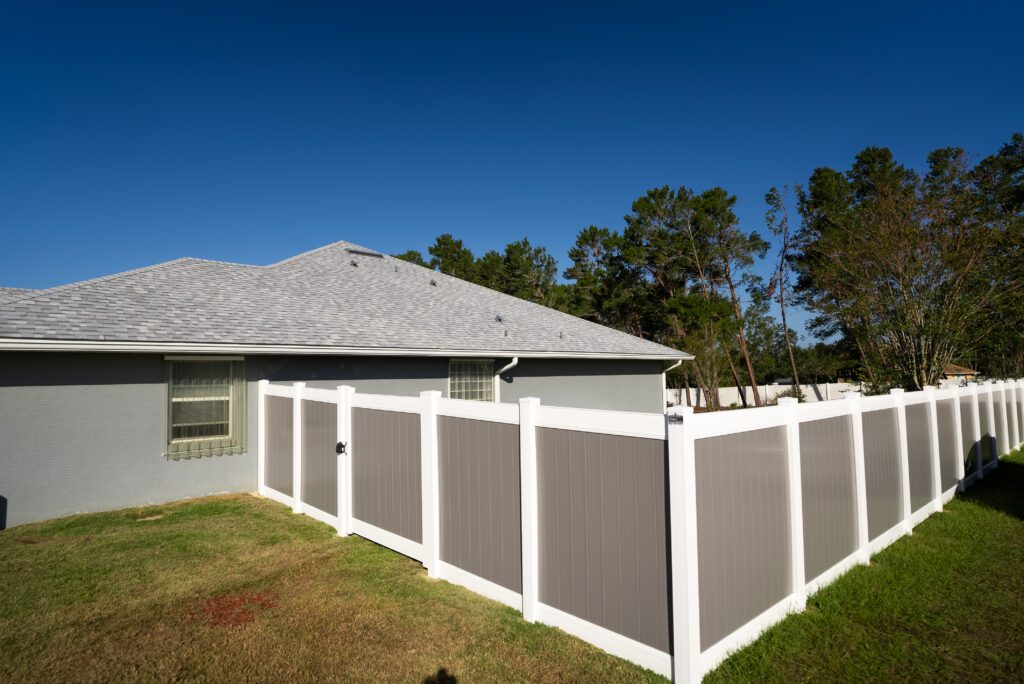



A backyard pool is one of the best parts of living in Ocala, but it also comes with responsibility. Florida has its own law for residential pool safety, and if you are adding a pool, replacing an old fence or buying a home with a pool, it helps to know what that law expects. Here is a plain-language look at Florida’s pool fence requirements and what they mean when you plan a fence around your pool.
This article is general information, not legal advice. Building codes and permit rules can add their own requirements, so always confirm your final plans with your pool contractor or the Marion County building department.
What Florida’s Pool Safety Law Covers
Florida’s rules come from the Residential Swimming Pool Safety Act, found in Chapter 515 of the Florida Statutes. The law applies to new residential pools, spas and hot tubs, and it requires each one to have at least one approved pool safety feature before it passes final inspection. A pool barrier, such as a fence, is the most common choice. Other options in the law include alarms on doors and windows that open to the pool and self-closing, self-latching devices on those doors.
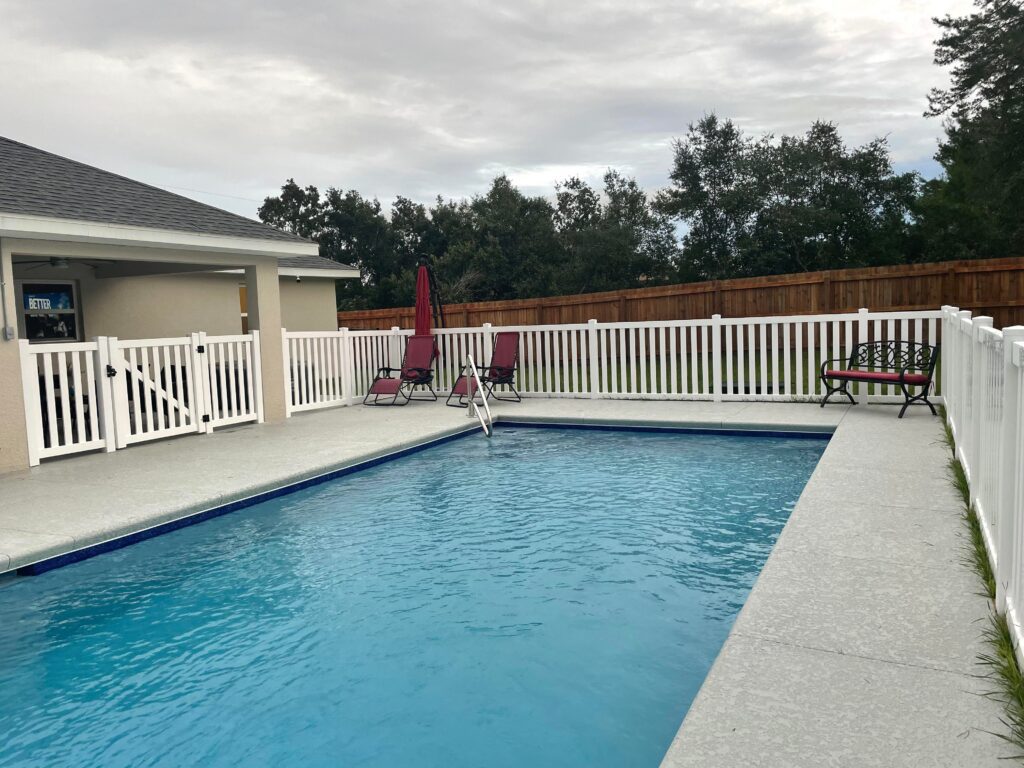
Even if your pool was built years ago, these rules are a smart standard to follow. A good pool fence protects young children and pets, and it gives you peace of mind every time the back door opens. If you are weighing the bigger picture of privacy fencing options for Central Florida backyards, the pool area is often the place to start.
The 4 Foot Height Rule and No Gaps
The law sets a few basic standards for any pool barrier:
- It must be at least 4 feet high on the outside.
- It cannot have gaps, openings or footholds that would let a young child crawl under, squeeze through or climb over.
- It must surround the pool and be set back far enough from the water that a child who gets past it cannot fall straight in.
- It cannot sit where a permanent structure, equipment or similar object could be used to climb over it.
That last point is easy to miss. A pool pump, a planter or an outdoor kitchen placed right against the fence can turn a safe barrier into a ladder, so think about the whole layout, not just the fence line.
Pool Gates: Outward, Self-Closing and Self-Latching
Gates are where most pool fences succeed or fail. Under Florida’s law, gates that give access to the pool must swing outward, away from the pool. They must be self-closing and self-latching, so the gate shuts and locks on its own after someone walks through. The release mechanism has to be on the pool side and placed so a young child cannot reach it over the top of the gate or through an opening.
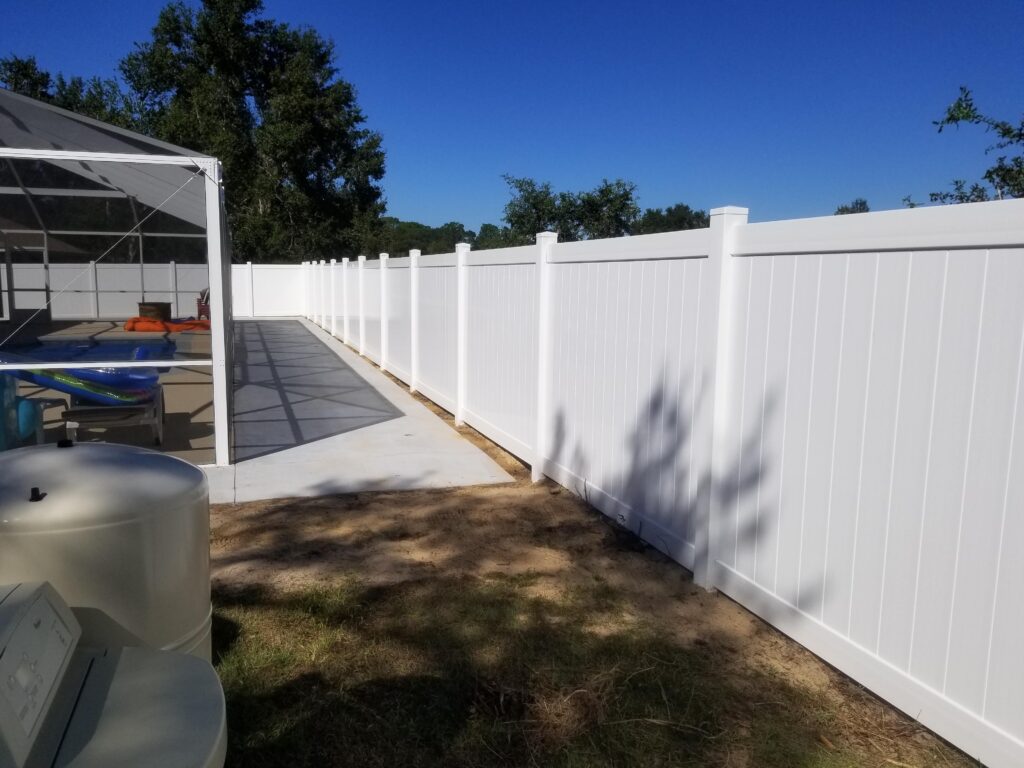
When we plan a pool fence installation, gate placement is one of the first things we talk through, because it affects how your family moves between the house, the yard and the pool every day.
When Your House or Yard Fence Is Part of the Barrier
Many Ocala homes use a combination of fence and house wall to close off the pool. Florida allows a wall of your home to form part of the barrier, but only if no door or window opens directly onto the pool area. If the back door leads straight to the pool deck, the law looks for another safety feature, such as a door alarm or a self-closing, self-latching door device.

Your existing backyard fence can also count, but only when it sits on the perimeter of the pool and meets all of the barrier rules. A fence that runs around the edge of a large yard, far from the pool, usually is not enough on its own. That is why many homeowners add a dedicated pool fence around the deck, even when the yard is already fenced.
Choosing the Right Pool Fence Material
Two materials do most of the work around Florida pools:
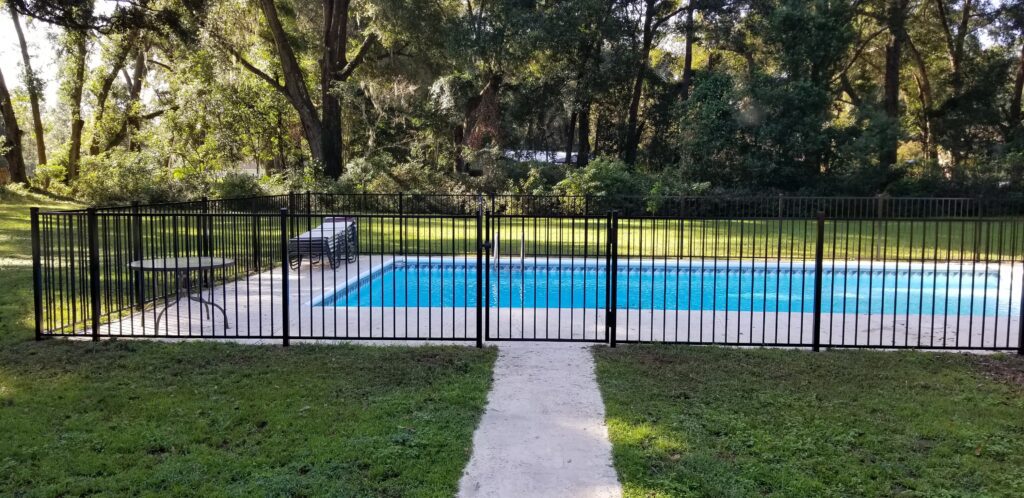
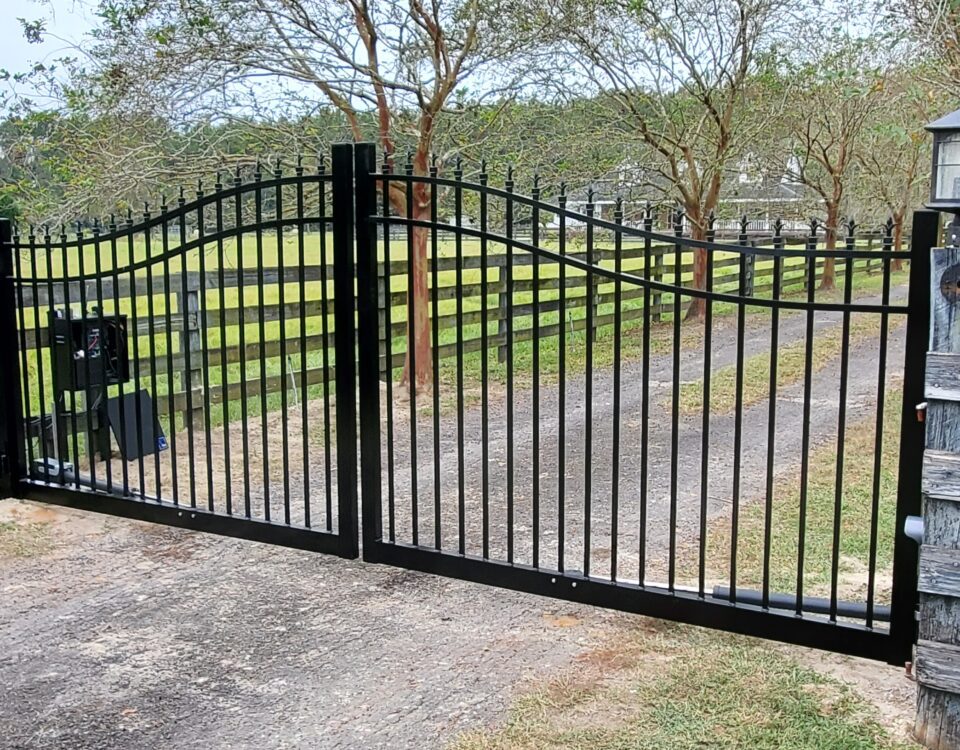
- Aluminum keeps an open view of the water, which makes supervision easy, and it holds up to sun, rain and humidity with very little upkeep. Our article on aluminum fences for pool safety and style covers it in more detail, and our aluminum fence installation page shows the styles we install.
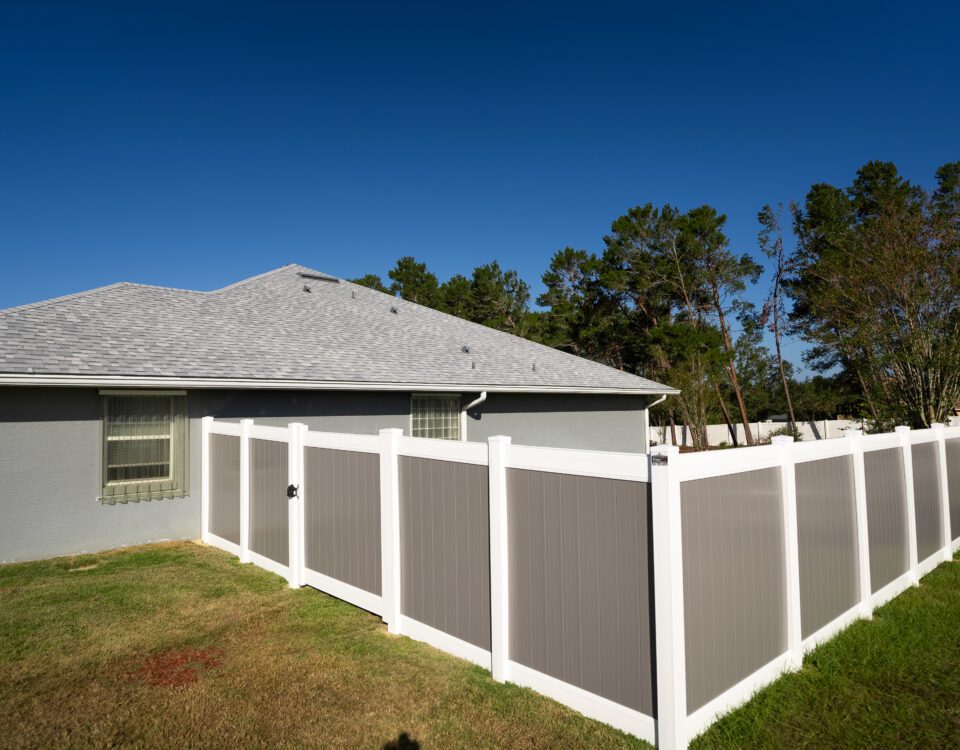
- Vinyl adds privacy from neighbors and the street and never needs painting or staining. With solid panels and the right layout, a vinyl fence installation can close off a pool area cleanly.
Still deciding? Our side-by-side look at aluminum vs vinyl fencing in Florida compares maintenance, lifespan and looks.
Planning Your Pool Fence With a Local Installer
The best pool fences start with a good plan. Before anything goes in the ground, walk the area and think about where people will enter the pool area, what you want to see from inside the house and where equipment will sit. A local installer who knows Marion County yards can help you avoid problems like gates that swing the wrong way or a layout that leaves a gap at the corner of the house.
At Fence Pro of Mid Florida, we are a family-owned team that custom measures every fence, and we plan pool fences around Florida’s barrier rules from the first visit. Take a look at our finished fence projects for ideas, see what Ocala homeowners say in our customer reviews, then schedule a free estimate and we will walk your pool area with you.

 English
 Spanish